Get Industrial Floor Repair
Industrial floor repair services help property owners fix cracks, uneven surfaces, and damage in concrete or epoxy floors through local contractors' expertise.
If property owners are considering repairs or upgrades to their industrial flooring, they are in the right place to explore options. Properly maintained and repaired floors are essential for safety, operational efficiency, and long-term durability. Whether addressing existing issues or planning future projects, understanding available services and solutions can help ensure the work meets the specific needs of the facility. This page provides a starting point for comparing local contractors who specialize in industrial floor repair, helping property owners make informed decisions.
Local service providers can assist with a range of flooring needs, from patching and sealing to complete surface restoration. Exploring different options allows property owners to identify the most practical solutions for their facilities, considering factors like material types, application methods, and project scope. Continuing to read can connect property owners with experienced contractors in the area who are equipped to handle the unique demands of industrial flooring projects.
- Crack Repair - when existing floor cracks threaten to worsen or cause safety issues.
- Surface Resurfacing - for restoring floors with surface damage or uneven wear.
- Joint and Seam Repair - to address separation or damage at floor joints and seams.
- Polished Concrete Restoration - when floors lose their shine or become dull over time.
- Spill and Stain Removal - for cleaning and repairing floors affected by chemical spills or stains.
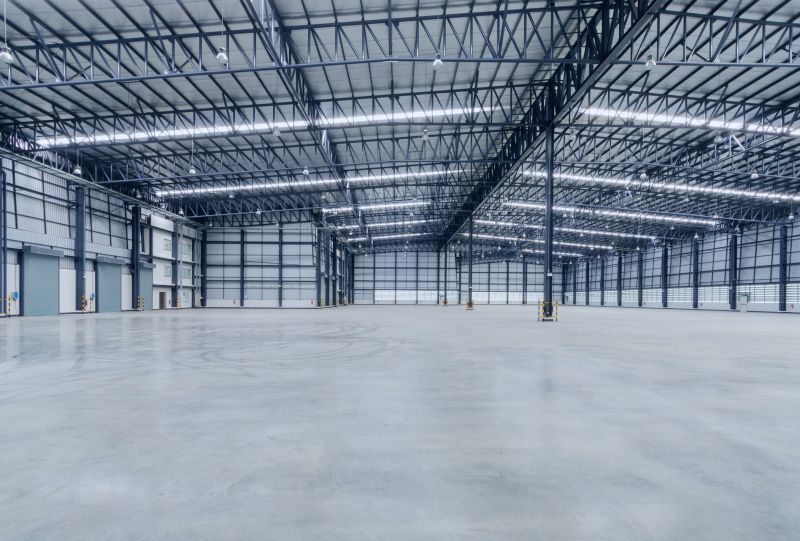
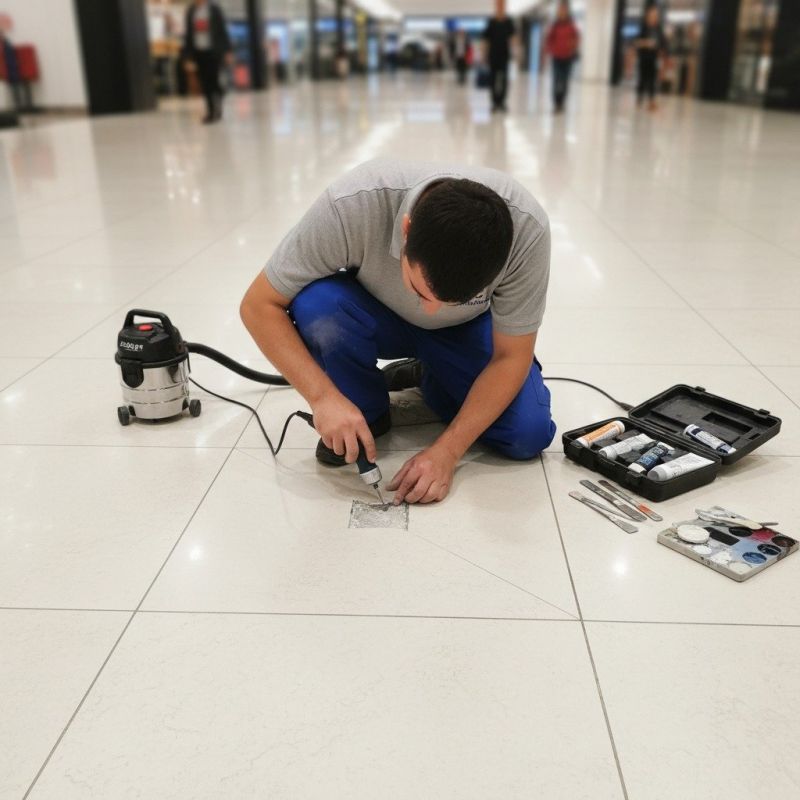
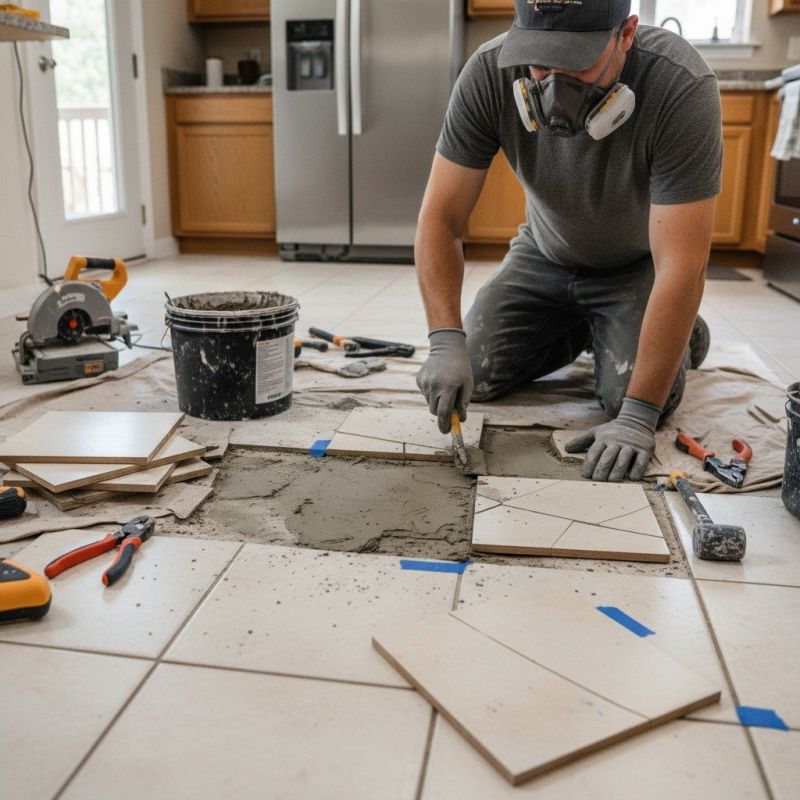
Industrial floor repair services involve restoring and maintaining the integrity of large, heavy-duty flooring surfaces commonly found in commercial, manufacturing, warehouse, and industrial facilities. These services typically include patching cracks, filling potholes, leveling uneven surfaces, and applying protective coatings to extend the lifespan of the floors. Skilled contractors use specialized materials and techniques to ensure the repaired areas can withstand heavy machinery, foot traffic, and environmental stresses, helping to keep industrial operations running smoothly.
Many problems can arise with industrial floors over time, such as cracking, spalling, or surface deterioration caused by constant use, chemical exposure, or moisture intrusion. These issues can compromise safety, lead to costly equipment damage, or cause disruptions in daily operations. Industrial floor repair helps address these problems by reinforcing weak points, sealing cracks, and restoring the floor’s surface to prevent further deterioration. Proper repairs can also improve safety conditions by reducing tripping hazards and ensuring the floor maintains its load-bearing capacity.
The types of properties that typically use industrial floor repair services include warehouses, factories, distribution centers, loading docks, and manufacturing plants. These facilities often have large, open floor spaces that experience significant wear and tear due to heavy equipment, forklifts, and constant foot traffic. Property owners and managers turn to local contractors for durable repair solutions that can withstand the demands of high-traffic environments and protect their investment in the facility’s infrastructure.
Homeowners are less likely to need industrial floor repair services, but property owners of large commercial or industrial buildings should consider these services when noticing signs of damage. If a floor shows cracks, uneven surfaces, or surface deterioration, professional repair can help extend its usability and prevent more costly repairs in the future. Contacting experienced local contractors ensures that the right materials and techniques are used to restore the floor’s strength and safety, supporting the ongoing efficiency of industrial operations.
The overview below groups typical Industrial Floor Repair projects into broad ranges so you can see how smaller, mid-sized, and larger jobs often compare in your area.
In many markets, a large share of routine jobs stays in the lower and middle ranges, while only a smaller percentage of projects moves into the highest bands when the work is more complex or site conditions are harder than average.
Smaller Repairs - typical costs range from $250-$600 for routine patching and surface fixes. Many common repairs fall within this range, making it a cost-effective option for minor issues.
Moderate Repairs - projects involving surface leveling or crack repairs usually cost between $600-$2,000. Larger, more involved jobs tend to push into this middle tier, which many local contractors handle regularly.
Extensive Restoration - extensive repairs or partial resurfacing can range from $2,000-$5,000. Projects at this level are less common but are handled by experienced service providers for larger industrial spaces.
Full Floor Replacement - complete removal and replacement of an industrial floor can start around $5,000 and go upwards of $20,000+, depending on size and complexity. These larger projects are less frequent but are within the scope of specialized contractors for major overhauls.
Actual totals will depend on details like access to the work area, the scope of the project, and the materials selected, so use these as general starting points rather than exact figures.
Concrete Resurfacing - Professionals in concrete resurfacing use similar skills and tools to repair and restore damaged industrial floors, ensuring durability and a smooth finish.
Epoxy Coating Installation - Installing epoxy coatings on floors involves surface preparation and application techniques comparable to those used in industrial floor repairs.
Industrial Floor Grinding - Floor grinding services require expertise in surface preparation and equipment handling, aligning closely with the skills needed for repair projects.
Crack and Joint Repair - Repairing cracks and joints in concrete surfaces involves planning and techniques similar to those used in industrial floor restoration.
Polished Concrete Finishing - Polished concrete projects demand surface preparation and finishing skills that are applicable to industrial floor repair work.
Surface Coating Removal - Removing old coatings from floors involves similar planning and tools as those used in preparing surfaces for new industrial floor repairs.
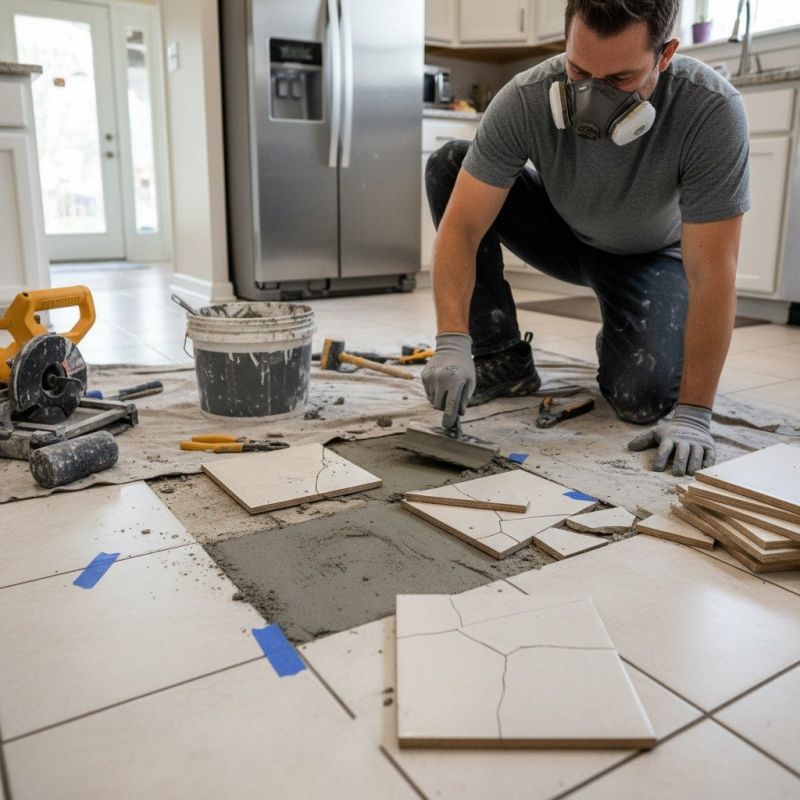
When comparing service providers for industrial floor repair, it's important to consider their experience with similar projects. Homeowners should look for local contractors who have a proven track record of handling industrial flooring in environments comparable to their own, whether it’s a warehouse, manufacturing facility, or commercial space. An experienced contractor is more likely to understand the unique challenges of industrial flooring, such as heavy traffic, chemical exposure, or specific material requirements, which can contribute to a more durable and effective repair.
Clear written expectations are essential to ensure that both the homeowner and the service provider are aligned on the scope of work. When evaluating local pros, it’s helpful to review whether they provide detailed proposals or written estimates that outline the work to be performed, materials to be used, and any relevant project milestones. This transparency helps prevent misunderstandings and provides a basis for comparison between different contractors, making it easier to choose a provider who communicates clearly and sets realistic expectations.
Reputable references and good communication are key indicators of a reliable service provider. Homeowners should seek out local contractors who can provide references from past clients with similar project types, offering insight into the quality of work and professionalism. Additionally, effective communication-prompt responses to inquiries, clarity in explanations, and willingness to address questions-can make the entire process smoother. While the site introduces homeowners to local options, it’s important to remember that the selection process involves assessing these qualities to find a service provider capable of delivering quality industrial floor repairs.
Property owners use Industrial Floor Repair services for practical projects around their homes and businesses. This guide focuses on everyday jobs and straightforward project options.
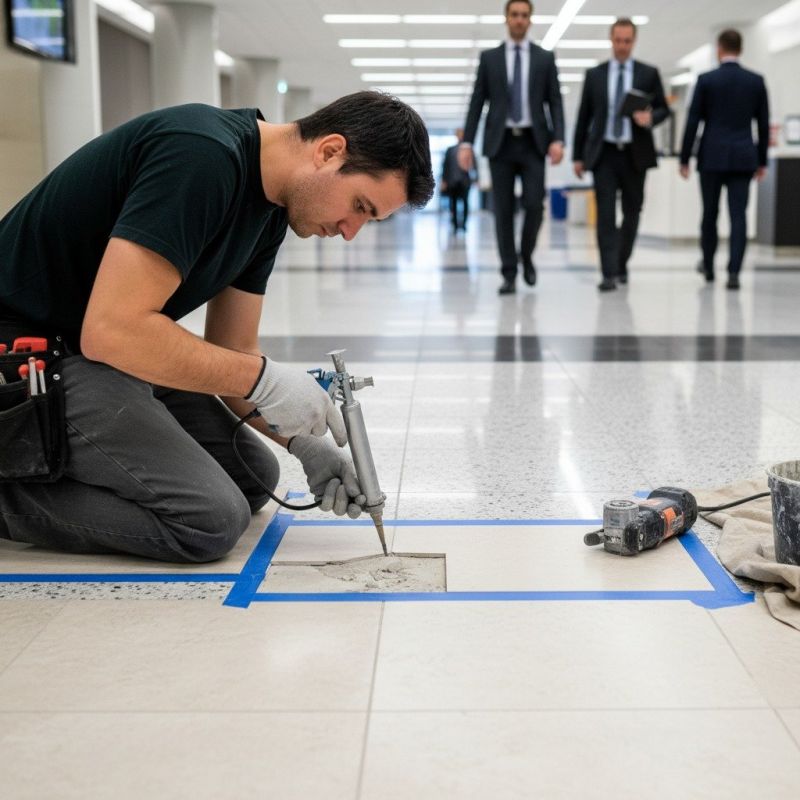
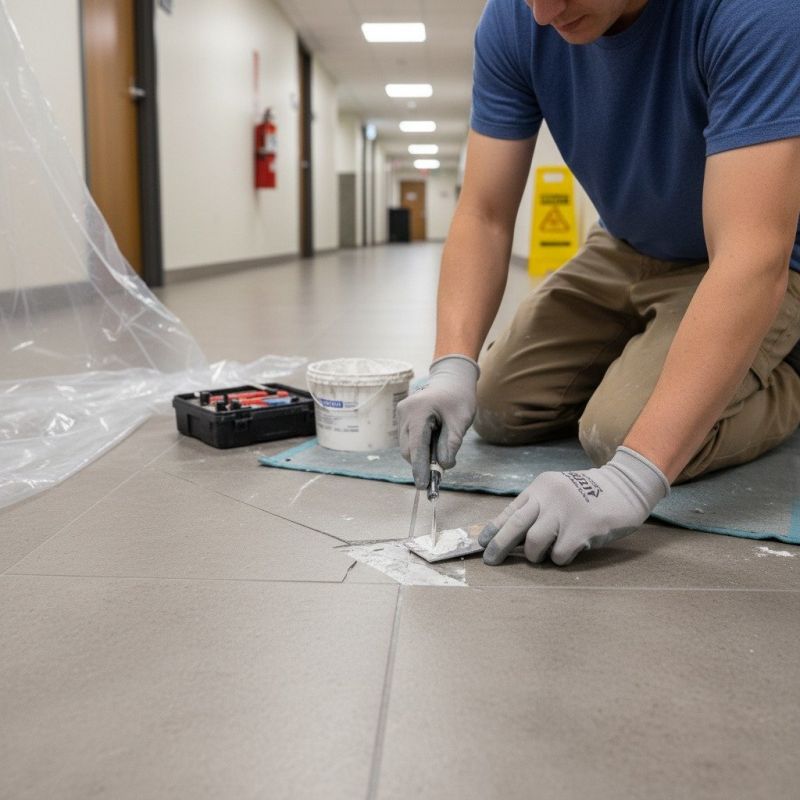
Industrial floor repair services are often needed when property owners notice cracks, uneven surfaces, or damage caused by heavy machinery and regular use. These issues can pose safety hazards, disrupt operations, or lead to further deterioration if not addressed promptly. Local contractors specializing in floor repair can assess the condition of the surface and recommend appropriate solutions to restore durability and safety, helping businesses and facilities maintain smooth and reliable operations.
Property owners in the area may seek industrial floor repair services after incidents such as spills, impacts, or wear from ongoing activity. Whether dealing with surface deterioration or planning preventative maintenance, these local service providers are equipped to handle a variety of repair needs. Connecting with experienced contractors ensures that floors are properly restored, minimizing downtime and supporting the ongoing function of industrial or commercial spaces.
What types of industrial floors can be repaired? Local contractors can handle repairs for various types of industrial floors, including concrete, epoxy, and asphalt surfaces used in warehouses, factories, and manufacturing plants.
Are there common issues that require industrial floor repair? Yes, typical problems include cracking, spalling, uneven surfaces, and surface deterioration caused by heavy machinery or chemical exposure.
What signs indicate that an industrial floor needs repair? Visible cracks, potholes, surface delamination, or increased dust and debris are common indicators that a floor may require professional repair services.
How do local service providers typically repair industrial floors? Repairs may involve patching cracks, leveling uneven surfaces, applying coatings or overlays, and addressing underlying structural issues as needed.
What should be considered when choosing a contractor for industrial floor repair? It’s important to select a service provider with experience in industrial settings, a good reputation, and the ability to assess and recommend appropriate repair solutions.
Industrial Floor Repair - Property owners can improve safety and reduce trip hazards by having damaged or cracked floors repaired promptly.
Industrial Floor Restoration - Businesses may restore worn or stained floors to maintain a professional appearance and meet cleanliness standards.
Concrete Floor Resurfacing - Facility managers can update aging concrete surfaces to enhance durability and extend the lifespan of the flooring.
Garage Floor Repair - Homeowners can fix cracks and chips in garage floors to prevent further damage and improve overall appearance.
If you are thinking about Industrial Floor Repair for a property, this guide is meant to help you understand the work, the typical project types, and how different options might fit your plans.
When you are ready, you can use the quote form on this page to share a few details about your project. From there, local pros can review the basics and respond with options that match what you have in mind.